
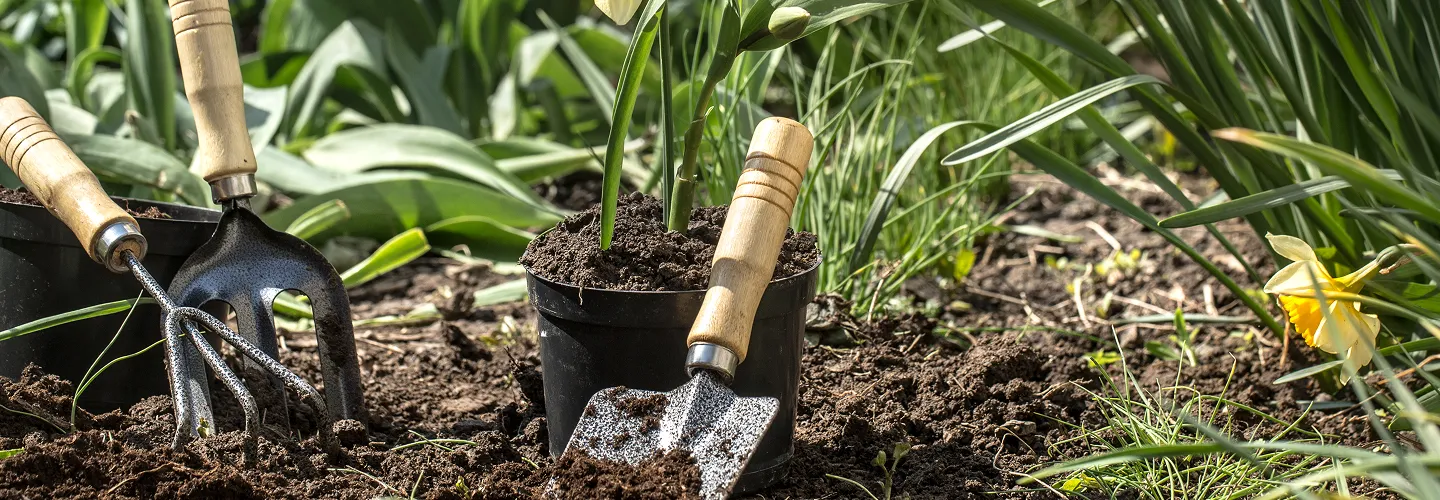
McCormick Ranch Lawn Leveling Services
Choose our expert lawn leveling services for a smoother, healthier yard that enhances curb appeal and makes maintenance a breeze—experience the difference of professional care and lasting results.
Get a Free QuoteOur McCormick Ranch Landscaping & Yard Care Services
When to Schedule Lawn Leveling in McCormick Ranch, Arizona – Seasonal Guide
In McCormick Ranch, Arizona, the best time to schedule lawn leveling is typically during the late spring or early fall. These seasons offer moderate temperatures and more predictable rainfall, which are ideal for establishing a smooth, healthy lawn. The unique climate of McCormick Ranch—characterized by hot, dry summers and mild winters—means that timing your lawn care is crucial to avoid stress on your turf and to maximize results.
Local factors such as the proximity to the Indian Bend Wash Greenbelt, the prevalence of mature shade trees in neighborhoods like Paseo Village, and the region’s sandy-loam soil all play a role in determining the optimal window for lawn leveling. Homeowners should also be mindful of the area’s average last frost date in early February and the increased drought risk during late summer. For more information on local environmental guidelines, you can refer to this resource.
Local Factors to Consider for Lawn Leveling in McCormick Ranch
- Tree density and shade coverage, especially near the McCormick Ranch Golf Club
- Soil composition, with sandy-loam being most common
- Seasonal precipitation patterns and irrigation schedules
- Terrain slope and drainage, particularly in areas bordering the Greenbelt
- Municipal water use restrictions during peak summer months
- Risk of frost in winter and extreme heat in midsummer
Benefits of Lawn Leveling in McCormick Ranch

Enhanced Curb Appeal
Improved Lawn Health
Efficient Water Drainage
Safer Outdoor Spaces
Easier Lawn Maintenance
Increased Property Value
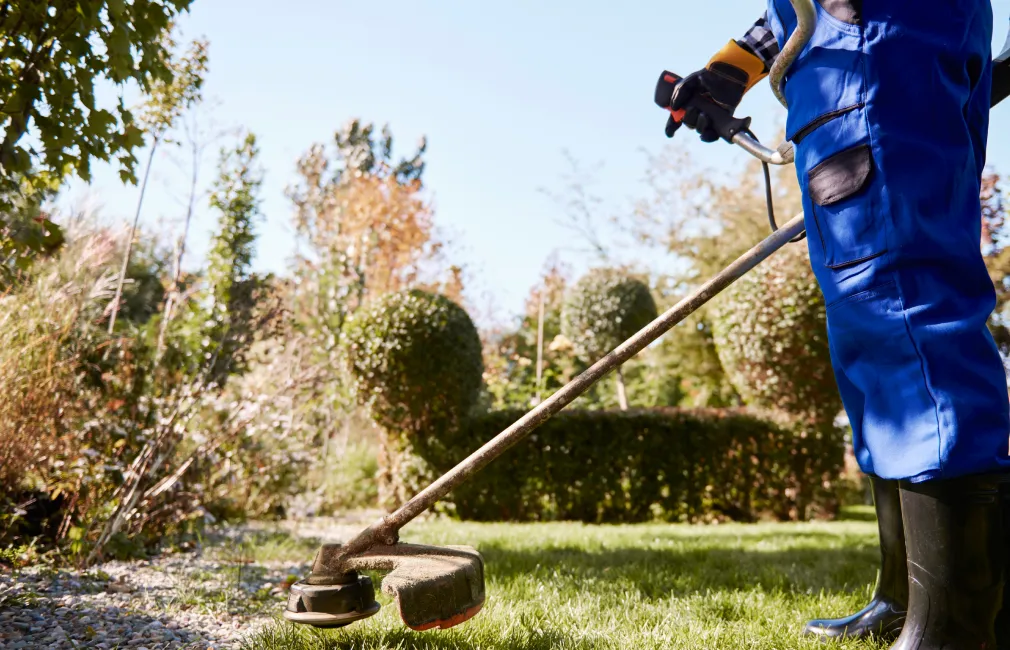
McCormick Ranch Lawn Leveling Types

Topdressing with Sand
-
Soil-Based Leveling
-
Laser Grading
-
Power Raking
-
Manual Lawn Leveling
-
Sod Replacement
-
Aeration and Overseeding
Our Lawn Leveling Process
Site Evaluation
Soil Preparation
Leveling Application
Compaction
Final Inspection
Why Choose McCormick Ranch Landscape Services

McCormick Ranch Homeowners Trust Us
-
Local Landscape Expertise
-
Reliable Maintenance Services
-
Competitive Pricing
-
Professional Team
-
Satisfaction Guarantee
-
Personalized Service
-
Prompt Response Times
Coordinating Lawn Leveling Projects with Scottsdale's Planning and Development Services
McCormick Ranch is a master-planned community within the City of Scottsdale, and all site work—including lawn leveling that alters surface grade or drainage flow—falls under Scottsdale's municipal review framework. Property owners and managers should coordinate with Scottsdale's Planning and Development department before beginning any leveling project that could redirect stormwater runoff toward neighboring parcels, retention basins, or the Indian Bend Wash corridor. Scottsdale's development review process evaluates whether proposed grading changes comply with established drainage patterns and neighborhood design standards. Residents should verify whether their specific scope of work triggers a site-improvement review, particularly in areas adjacent to common-area greenbelt corridors or shared drainage infrastructure.
- Confirm whether the proposed grade change affects any shared drainage easement or retention area
- Verify HOA architectural review requirements before modifying turf grade in covenant-controlled subdivisions
- Coordinate disposal of excess fill or excavated material through approved hauling procedures
Scottsdale Planning & Development
7447 E Indian School Rd, Scottsdale, AZ 85251
Official Website: Scottsdale Planning & Development
How McCormick Ranch's Alkaline Soils and Caliche Layers Affect Lawn Leveling
McCormick Ranch sits within the Phoenix metro low-desert environment, classified in USDA Hardiness Zone 10a, where extreme summer heat, alkaline sandy loam soils, and subsurface caliche formations directly influence lawn leveling outcomes. The predominant soils in this area tend toward calcareous, high-pH profiles with variable depths of cemented caliche that can impede drainage and resist regrading without mechanical intervention. Settlement is common in subdivisions built on imported fill material, and uneven turf surfaces frequently develop where irrigation water migrates unevenly through compacted or layered substrates.
- Caliche obstruction: Hardpan layers may sit within inches of the surface, preventing topdressing material from integrating properly and trapping water in shallow depressions
- Alkaline soil chemistry: Soil pH levels commonly exceed 8.0, which can limit nutrient availability in newly leveled areas and affect turf recovery after regrading
- Monsoon runoff behavior: Intense summer storms deliver heavy sheet flow across flat turf areas, and any grade irregularities can concentrate runoff toward foundations, walls, or the Indian Bend Wash system
- Reflected heat: Adjacent block walls, patios, and concrete hardscape radiate heat that accelerates soil drying along turf edges, contributing to differential settlement over time
The University of Arizona Cooperative Extension provides region-specific guidance on turf recovery and soil management following grade corrections in low-elevation Arizona.
Navigating McCormick Ranch's Stormwater and Zoning Compliance for Lawn Leveling
Lawn leveling in McCormick Ranch must account for Scottsdale's stormwater management obligations under the Arizona DEQ Phase II MS4 program and the federal Clean Water Act. Any regrading activity that generates loose soil, displaced fill, or sediment-laden runoff near storm drains, curb inlets, or the Indian Bend Wash greenbelt must incorporate erosion and sediment controls. Scottsdale's zoning codes also govern property appearance, setback areas, and frontage conditions that may be affected by grade modifications.
- Sediment from leveling operations must not enter storm drains, retention basins, or wash corridors
- Excess soil or fill material should be stabilized on-site or removed through proper disposal channels
- Properties adjacent to greenbelt common areas or golf course boundaries should verify whether grade changes require coordination with the managing HOA or Scottsdale's environmental compliance office
- Irrigation adjustments following leveling must avoid overspray or runoff into public rights-of-way
Scottsdale Environmental Initiatives & Sustainability
7447 E Indian School Rd, Scottsdale, AZ 85251
Official Website: Scottsdale Environmental Initiatives & Sustainability
The Arizona Department of Water Resources also provides landscaping conservation guidance relevant to irrigation reconfiguration after leveling work.
Timing and Methods for Lawn Leveling in McCormick Ranch's Desert Climate
Professional lawn leveling in McCormick Ranch should be scheduled during active bermudagrass growth, typically from late April through early September, when warm-season turf can recover quickly from topdressing and minor grade adjustments. Leveling during dormancy or winter overseed periods risks smothering ryegrass or delaying bermudagrass green-up. The University of Arizona Turfgrass Research program recommends coordinating any turf disturbance with active growth phases to ensure rapid knitting and root recovery.
- Topdressing material: Use clean, screened sand or sand-soil blends compatible with the existing soil profile to avoid creating layering problems that impede water infiltration
- Application depth: Apply topdressing in thin lifts—generally no more than one-quarter to one-half inch per application—to avoid smothering the turf crown
- Scalping prevention: Correct low spots and depressions that cause mower scalping, which exposes soil to direct sun and accelerates moisture loss in McCormick Ranch's extreme summer heat
- Irrigation recalibration: After leveling, adjust sprinkler head heights and run times to match the new grade, ensuring uniform coverage without pooling or runoff
- Drainage verification: Confirm that the corrected grade directs surface water away from foundations and toward designated drainage paths or retention areas
Scottsdale Water Department
9388 E San Salvador Dr, Scottsdale, AZ 85258
Official Website: Scottsdale Water Department
What Neighborhoods Do We Serve Throughout McCormick Ranch, AZ?
- McCormick Ranch North: Mature irrigated lots with established bermudagrass turf often exhibit settlement along block-wall perimeters and near aging irrigation valve boxes, making periodic leveling a common maintenance need.
- McCormick Ranch South: Properties bordering the Indian Bend Wash greenbelt require careful grade management to maintain proper drainage flow toward designated retention corridors.
- Scottsdale Ranch: Larger lot sizes and golf course adjacency create conditions where differential settlement and reflected heat from surrounding hardscape contribute to uneven turf surfaces.
- Gainey Ranch: Estate-scale properties with extensive turf areas frequently require phased leveling to address compaction and subsurface caliche interference across broad lawn expanses.
- Paradise Park Trails: Homes near McCormick-Stillman Railroad Park and adjacent open spaces benefit from leveling that preserves positive drainage away from shared-use pathways and park boundaries.
- Via de los Libros: Established residential streets with mature landscaping often present grade irregularities caused by root intrusion and decades of irrigation-driven soil movement.