
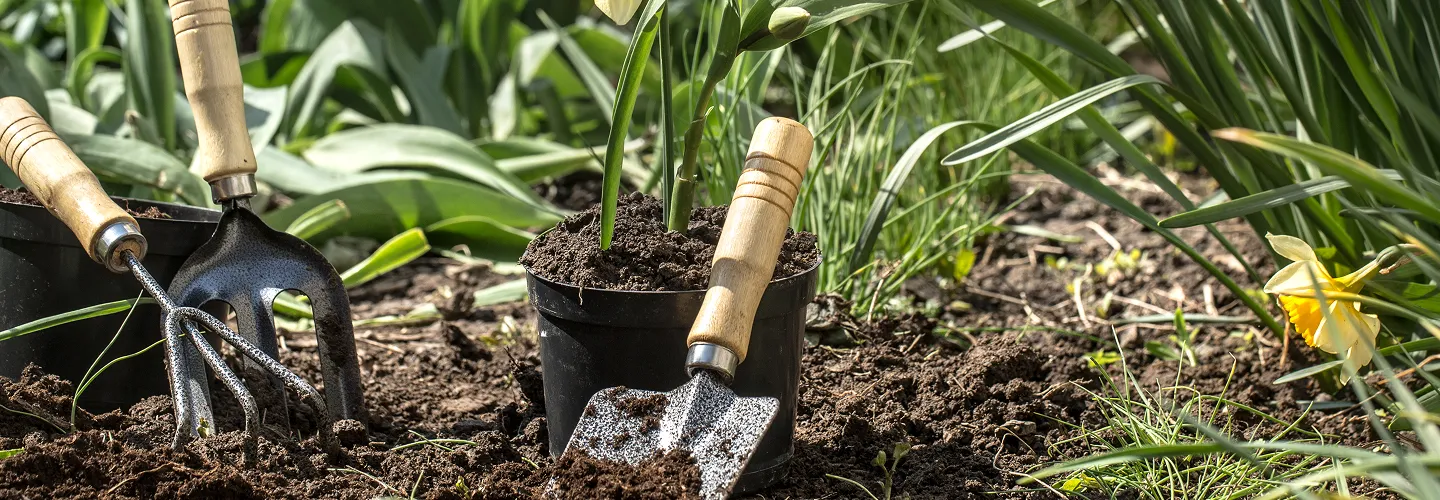
McCormick Ranch Flower Bed Maintenance Services
Choose our Flower Bed Maintenance for expert care that keeps your garden healthy, colorful, and thriving all year round—so you can enjoy stunning flower beds without the hassle.
Get a Free QuoteOur McCormick Ranch Landscaping & Yard Care Services
When to Schedule Flower Bed Maintenance in McCormick Ranch, Arizona – Seasonal Guide
In McCormick Ranch, Arizona, the timing of flower bed maintenance is crucial for ensuring vibrant, healthy landscapes throughout the year. The area’s unique climate—characterized by hot, dry summers and mild winters—means that the best periods for maintenance are typically early spring and late fall. These windows allow for optimal plant growth and recovery, while avoiding the stress of peak summer heat or the occasional winter frost. Local neighborhoods such as Paseo Village and the areas surrounding the McCormick-Stillman Railroad Park often experience microclimates due to varying shade coverage and proximity to water features, which can influence the specific timing and type of care required.
Environmental factors like the region’s alkaline soil, sporadic rainfall, and the risk of drought play a significant role in determining when and how to maintain flower beds. Homeowners should also be mindful of municipal watering restrictions and the impact of mature tree canopies, which can create shaded microenvironments. For more detailed information on local regulations and best practices, consult resources such as the Sudbury municipal website.
Local Factors to Consider for Flower Bed Maintenance in McCormick Ranch
- Tree density and shade coverage, especially near Camelback Walk and neighborhood greenbelts
- Soil composition and drainage, which can vary between residential zones
- Seasonal precipitation patterns and drought risk
- Frost dates, typically occurring in late December or early January
- Municipal watering restrictions and HOA guidelines
- Terrain variations, including sloped yards and proximity to golf courses
Benefits of Flower Bed Maintenance in McCormick Ranch
Enhanced Curb Appeal
Weed and Pest Prevention
Healthier Plant Growth
Seasonal Color Optimization
Professional Landscape Expertise
Increased Property Value
McCormick Ranch Flower Bed Maintenance Types

Seasonal Flower Planting
-
Weed Control Services
-
Soil Amendment and Fertilization
-
Mulching and Ground Cover
-
Pruning and Deadheading
-
Irrigation System Checks
-
Pest and Disease Management
Our Flower Bed Maintenance Process
Site Evaluation
Weed Removal
Soil Preparation
Plant Care
Mulching
Why Choose McCormick Ranch Landscape Services
McCormick Ranch Homeowners Trust Us
-
Local Landscape Expertise
-
Reliable Maintenance Services
-
Competitive Pricing
-
Professional Team
-
Satisfaction Guarantee
-
Personalized Service
-
Prompt Response Times
Coordinating Flower Bed Maintenance with Scottsdale's Parks and Water Programs
McCormick Ranch is a master-planned community within the City of Scottsdale, and all landscape maintenance activities—including flower bed upkeep—fall under Scottsdale's municipal framework for water conservation, green waste handling, and environmental compliance. Residents and property managers maintaining flower beds should coordinate with Scottsdale's water conservation programs to ensure irrigation emitter systems align with current drought-stage guidelines. Green waste generated from seasonal bed cleanouts, including spent annuals, pulled weeds, and trimmed perennials, must be disposed of according to the city's organic waste collection procedures. Property owners adjacent to common-area landscaping near McCormick Ranch Lake or Indian Bend Wash greenbelt corridors should verify whether their maintenance activities affect city-managed drainage or public landscape zones.
- Confirm irrigation schedules through Scottsdale's water conservation resources before adjusting emitter run times
- Dispose of flower bed debris through approved green waste channels rather than depositing material near washes or storm drains
- Coordinate with the city's parks and urban forestry division when bed maintenance borders public open space or greenbelt areas
Scottsdale Parks & Trees
7447 E Indian School Rd, Scottsdale, AZ 85251
Official Website: Scottsdale Parks & Trees
Scottsdale Water Department
9388 E San Salvador Dr, Scottsdale, AZ 85258
Official Website: Scottsdale Water Department
How McCormick Ranch's Low-Desert Heat and Alkaline Soils Affect Flower Beds
McCormick Ranch sits within the Phoenix metro low-desert environment, classified in USDA Hardiness Zone 9b–10a, where summer temperatures routinely exceed 110°F and frost events are infrequent but possible between December and February. These conditions directly shape every aspect of flower bed maintenance. Soils throughout the community tend toward alkaline sandy loam with pH levels commonly above 7.5, often underlain by caliche hardpan that restricts root penetration and drainage. Imported topsoil in older subdivisions may have compacted over decades, reducing water infiltration around emitter zones.
- Extreme radiant heat from block walls, concrete walkways, and decomposed granite mulch can raise bed-surface temperatures well above ambient air, accelerating moisture loss and stressing shallow-rooted annuals
- Alkaline soil chemistry can lock out iron and manganese, causing interveinal chlorosis in bedding plants unless soil amendments or chelated micronutrient applications are incorporated
- Caliche layers may impede drainage, creating localized waterlogging after monsoon rains or overwatering, which promotes root rot in species not adapted to intermittent saturation
- Monsoon runoff from July through September can wash mulch out of beds, erode exposed soil, and carry sediment into nearby retention basins or the Indian Bend Wash corridor
The Arizona Department of Water Resources landscaping guidance provides additional context on water-efficient planting strategies suited to these conditions.
Scottsdale Zoning, Stormwater, and Pesticide Regulations Governing Flower Bed Care
Flower bed maintenance in McCormick Ranch must comply with several overlapping regulatory layers. Scottsdale's zoning code establishes property maintenance standards that include keeping visible landscape areas free of dead plant material, excessive weeds, and accumulated debris. Properties within HOA-governed subdivisions may face additional architectural review requirements for plant species selection and bed design modifications. Any chemical weed control or pest treatment applied to flower beds requires compliance with Arizona Department of Agriculture pesticide applicator licensing when performed commercially.
- Herbicide and insecticide applications must follow label directions and avoid drift or runoff into storm drains, consistent with Arizona DEQ stormwater requirements and the federal Clean Water Act
- Noxious weed species identified by the Arizona Department of Agriculture should be removed promptly when found in flower beds to prevent spread
- Soil amendments, fertilizers, and organic matter should not be stockpiled where stormwater could carry them into retention basins or wash channels
- Verify current property maintenance code expectations through Scottsdale's zoning resources before undertaking significant bed renovations
Scottsdale Zoning Codes & Ordinances
7447 E Indian School Rd, Scottsdale, AZ 85251
Official Website: Scottsdale Zoning Codes & Ordinances
Timing Flower Bed Maintenance Around McCormick Ranch's Seasonal Extremes
Professional flower bed maintenance in McCormick Ranch follows a seasonal rhythm dictated by the low-desert climate. The primary planting windows for cool-season annuals such as petunias, snapdragons, and pansies fall between mid-October and early November, while warm-season selections like vinca, lantana, and zinnias are typically installed from mid-March through April after frost risk subsides. Deadheading, weed suppression, and emitter inspection should occur on a regular cycle throughout the growing season.
- Irrigation emitter checks should be performed monthly; clogged or misaligned emitters cause uneven moisture distribution that leads to plant stress and weed colonization in dry gaps
- Mulch replenishment with organic or decorite material should occur before monsoon season to reduce washout and moderate soil temperature, maintaining a depth generally consistent with horticultural recommendations for the material type
- Weed suppression is most effective when pre-emergent products are applied before the late-winter germination flush (typically February) and again before monsoon-triggered summer weed growth in late June
- Deadheading and cleanup during peak bloom periods extends flowering cycles and prevents spent plant material from harboring pests or disease
- Soil amendment incorporation, including sulfur for pH correction or iron chelate for chlorosis management, is most effective when applied during active root growth in spring or early fall rather than during summer heat dormancy
Scottsdale Environmental Initiatives & Sustainability
7447 E Indian School Rd, Scottsdale, AZ 85251
Official Website: Scottsdale Environmental Initiatives & Sustainability
What Neighborhoods Do We Serve Throughout McCormick Ranch, AZ?
- McCormick Ranch South — Mature landscaping with established drip irrigation systems and older flower beds that often require emitter replacement, soil amendment, and mulch restoration due to decades of alkaline water exposure
- The Shores at McCormick Ranch — Lakeside properties with higher ambient humidity near water features, creating conditions where fungal pressure on bedding plants may require more attentive monitoring and airflow management
- Scottsdale Ranch — Larger residential lots with expansive bed areas adjacent to block walls and patios where reflected heat intensifies plant stress and accelerates moisture loss from exposed soil
- Gainey Ranch — Estate-scale properties with complex hydrozoned beds incorporating both desert-adapted perennials and seasonal color rotations that demand precise emitter scheduling and frequent deadheading
- Paradise Park Trails — Properties bordering the Indian Bend Wash greenbelt where monsoon runoff patterns and proximity to public drainage corridors require careful mulch anchoring and sediment control in front-facing beds
- McCormick Ranch North — Subdivisions with HOA-regulated front-yard appearance standards that typically specify approved plant palettes and bed maintenance frequency for streetside visibility